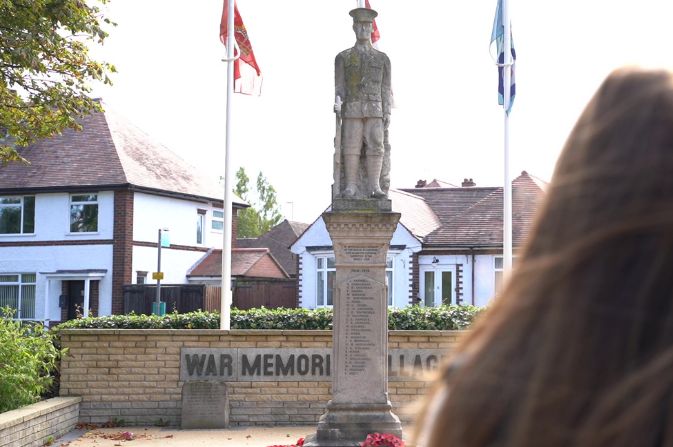
As we prepare to mark Armed Forces Day on 27 June, Derby can reflect proudly on its history of honouring and supporting those who serve.
Derby has always been a place where things are done differently. John Lombe took silk throwing and created the first mechanised factory in the world. Robert Stephenson transformed the railways with the world’s first Roundhouse. And Derby Arboretum set the blueprint for public parks worldwide.
How we honour our armed forces is no different.
Derby’s War Memorial has stood on the Market Place since 1924. But as the nation recovered from the Second World War, a new approach emerged that focused not only on remembering the fallen, but also on supporting the living.
In late-1945, the Rotary Club of Derby made the first proposals for a war memorial in the form of a model village to accommodate veterans disabled in the Second World War.
Twenty acres of land were donated by the Town Council, and funds were raised following an appeal issued by the Mayor, Alderman C.R Bates. Almost four years later, work started on Derby War Memorial Village, just one of two such villages in the UK, the other being Westfield War Memorial Village in Lancaster.
The souvenir programme from the laying of the foundation stone by HRH The Princess Elizabeth, held at Derby Local Studies Library, described the village as:
An ambitious plan to enshrine a most sacred memory and to fulfil a noble purpose. [resulting in] the happy hearts and homes of the disabled men and their families who will find in the War Memorial Village, comfortable dwellings and a pleasant community life in a place of dignity and beauty. What more fitting memorial could there be to those who gave their lives for us.
This view was echoed by newsreels of the time which said, “surely there could be no better memorial.” You can watch the report on the British Pathe YouTube channel.
At the ceremony, The Princess said:
A memorial should indeed remind all who look upon it of the valour and self-sacrifice it commemorates but, just as the men who died performed the greatest service for their fellow countrymen, so the memorial we raise to them should serve those that follow after. Therefore, I think that the people of Derby have shown both wisdom and imagination in deciding to build this village.
The village is very much a product of its time, and the post-war spirit is still evident today. Many of the original properties were built with enough land for residents to grow their own vegetables, and many kept chickens. The legacy of this is the large gardens that many of the properties still enjoy.
Since its completion in 1955, the village has stayed true to its mission of providing affordable housing for former members of the Armed Forces or Emergency Services with a connection to Derby or Derbyshire.
To learn more about the village, its history and how it supports veterans today, visit the Derby War Memorial Village website.