Hundreds of Derby households are benefiting from lower energy bills, our green spaces are supporting wildlife recovery, and cleaner fuels are helping to reduce emissions from Council's vehicles. These are just some of the successes highlighted in the first-year report on our Climate Change Action Plan, demonstrating the city’s continued commitment to building a greener, more sustainable future.
With living costs still an issue for many, the Council’s Home Energy Advice Service - run with partner charities - has helped more than 300 households make their homes warmer and cheaper to run. Free draught-proofing and bespoke advice are saving residents more than £15,000 a year between them.
The team has also visited community events and run workshops in 21 primary schools across the city, so children can take energy-saving tips home to their families. The service has helped bring in £150,000 of insulation and heating upgrades for eight homes so far, with 120 more to follow over the next two years.
Meanwhile, Green Rewards, a free online platform, allows residents to earn points and prizes for small everyday choices such as walking to the shops or using less energy at home. Its 460 Derby members have already helped avoid 29 tonnes of carbon, and ward-level competitions have paid for sensory garden bulbs, street trees and planters in the Arboretum and Normanton area.
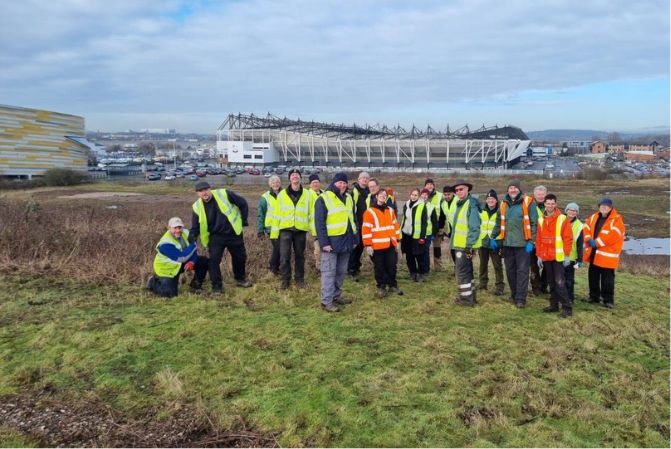
The city’s parks and nature reserves are also playing an increasingly important role in tackling climate change, supporting wildlife recovery and improving community wellbeing. Thousands of volunteer hours have been contributed through Derby Parks Volunteers, whose members work alongside Council staff and community groups to enhance habitats, manage woodlands, restore ponds, undertake practical conservation projects and plant thousands of trees across the city.
Derby’s green and blue spaces are being managed as a more connected network, creating wildlife corridors that help species move between habitats while making the city more resilient to the impacts of climate change. The Sanctuary Local Nature Reserve has seen continued habitat improvements, benefiting birds, pollinators and other wildlife, whilst strengthening one of our most important urban nature sites.
Meanwhile, the award-winning conservation grazing programme continues at Darley and Nutwood Local Nature Reserve, Sinfin Moor Park Local Nature Reserve and Allestree Park, where cattle provide a natural and sustainable way of managing grasslands and meadows. Their grazing creates a richer mix of habitats, supports greater diversity of plants and insects, and helps landscapes become more resilient to climate change. Together, these initiatives are not only boosting biodiversity across the city but also creating healthier, greener places where residents can connect with nature, volunteer and enjoy the benefits of high-quality green spaces.
Children were also at the heart of the Director of Public Health's 2025 report on how climate action can improve health. Young people shared their views in focus groups, and 200 children contributed artwork showing their vision of a greener Derby. Their ideas are helping shape recommendations that are now being put into action.
The hydroelectric plant on the River Derwent has been generating less power than it should because silt has built up around its screen. An upgrade is now underway, with permits secured and the new screen being made. These upgrades are expected to triple the amount of renewable energy generated by the plant, helping to further reduce the Council’s carbon emissions.
A trial of Hydrotreated Vegetable Oil (HVO) fuel in the Council’s diesel vehicles cut greenhouse gas emissions by 91% and improved local air quality, and the Council are now looking at how to use it more widely. More electric vehicles have joined the fleet, and there are more charging points at Council sites.
A new approach to procurement is helping local suppliers cut their own emissions too, and the Climate Change Capital Fund returns in 2026/27. New specialist posts have been approved, and the Council has secured initial funding of more than £14million capital and £1million revenue for 2026/27 through the East Midlands Combined County Authority.
Councillor Carmel Swan, Cabinet member for Climate Change, Transport and Sustainability, said:
I'm proud of what has been achieved in the first year. Families are saving money on their energy bills, the community is getting stuck into nature in our green spaces, and we're investing in cleaner energy for the city. There's still plenty to do to reach net zero by 2035, but this shows what we can achieve when the Council, partners and residents all pull in the same direction. Thank you to everyone who has played their part.
Read more about Climate Change Action Plan. Residents can sign up to Green Rewards for free here.